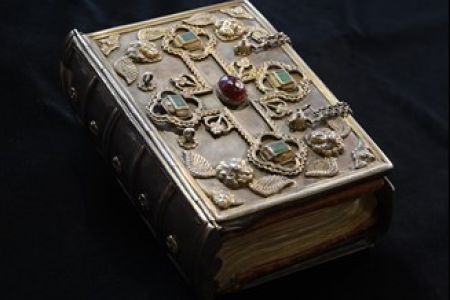
ArmInfo. The Matenadaran Institute of Ancient Manuscripts will unveil one of its unique artifacts: the unique Shurishkan Gospel, a miraculous Armenian manuscript known as "Granfather," "Karmir," or "Surb Barsegh Kesaratsi." The book dates back to 1498. It will be on display from March 10 to April 10.
According to the Matenadaran, this unique copy from the "Secret Manuscripts" series is also known as the Miraculous Gospel. In the history of Armenia, there is a lot of evidence about handwritten Gospels and manuscripts that have gone a long way to salvation, and this Gospel is one of them.
Tradition says that the Gospel of Shurishkan, also known as "Grandfather", "Red" was written in 1498, in the village of Aspisnak, Kajberunik province, Van region. The author is Turuand, the scribe is Priest Barseg. During the deportation of Armenians in 1603-1604. The Gospel was transferred to the village of Shurishkan, province of Periya, to the village of Shurishkan, to the monastery of St. Basil of Caesarea. To protect it from possible dangers, the Gospel is hidden in the ground.
After some time, a spring begins to flow from the underground hiding place, forming a pond. The sacred book was taken out of there only seven years later, remaining almost undamaged by Divine thought. Three and a half centuries later, in 1973, the Gospel of Shurishkan, having survived many vicissitudes, was presented to the Matenadaran by repatriates Nerses and Matteos Tsarukyan. Thus, the light and power emanating from the treasury of medieval culture are passed on from generation to generation. Even during the years of reconstruction of the Matenadaran (2002-2003), when the doors of the museum part were closed to researchers and tourists, they were opened whenever possible especially for pilgrims to the Gospel of Shurishkan.
It is worth noting that, according to tradition, the Gospel is solemnly transferred annually to the Church of St. George in Mughni on New Resurrection. The Shuriskhan Gospel is considered a relic that heals the faithful.

























 Expert: Current process is not about peace, but implementing Azerbaijan`s wishlist
 Expert: Real peace unattainable until Armenia-Azerbaijan agreement is signed and ratified
 TRIPP`s proximity to Iranian border could slow its implementation - expert
  Who and why is sacrificing RA National Security Service`s reputation? - expert
  Tehran creating security environment in which sustainable shipping in Strait of Hormuz difficult to imagine without its direct participation - expert
  Arrested Armenian oligarch on economy and new jobs
  NA Vice Speaker candidate believes his wife`s salary as director of HayPost is the lowest in the company`s history
 RF Permanent Representative: There is no CSTO-Armenia conflict
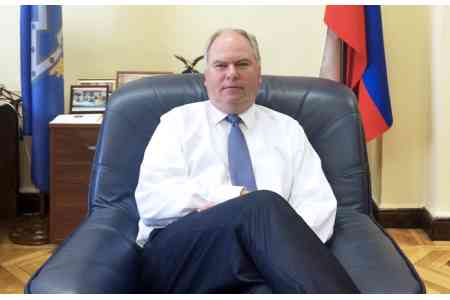 Moscow: NATO seeking to "Pull" Armenia away from CSTO Allies
  Political analyst: Russia intends to determine which "Camp" Armenia will choose through a referendum
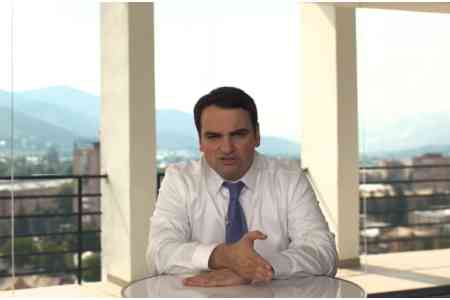 Narek Karapetyan will give up his parliamentary salary in favor of charitable contributions.
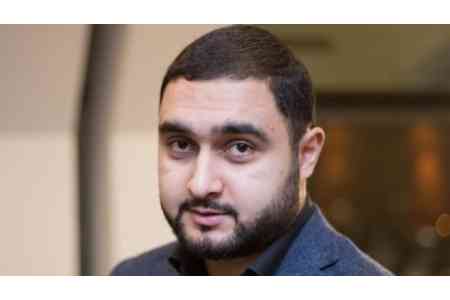 Armenian analyst: Developing relations with Europe and the U.S. must not jeopardize relations with regional powers
 Armenia and France discuss further development of strategic partnership and EU cooperation
 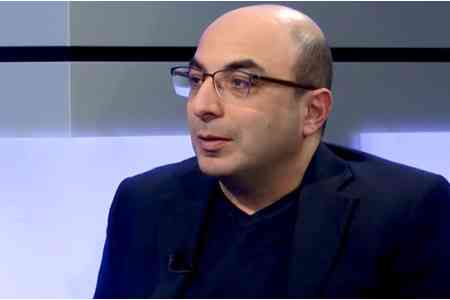 To overcome risks Armenia must reduce domestic escalation - expert
 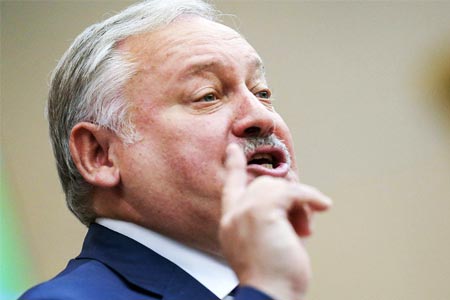 Zatulin: Pashinyan was eager to get back to Russia because he actually lost the elections
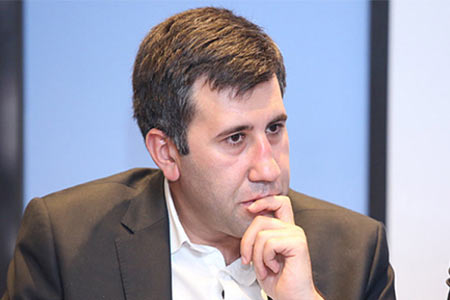 Human rights activist Ruben Melikyan dismissed from YSU
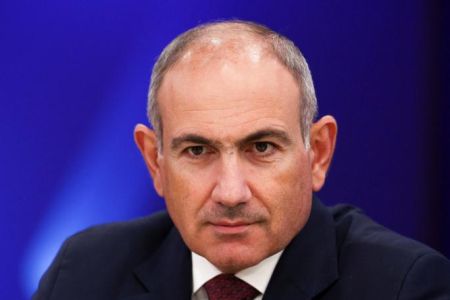 Pashinyan removed from INNOPROM guest list
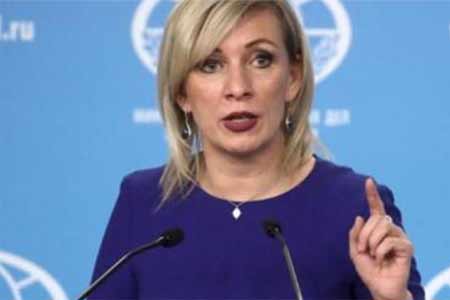 Zakharova: Armenia`s pro-EU pivot poses economic security risks to EAEU member states
 It`s time for South Caucasus countries to think of South Caucasus as single, unified region - RA premier
  Pashinyan: Armenia and Azerbaijan should leave each other alone