


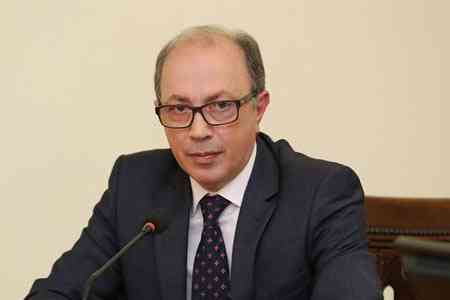
ArmInfo. The occupation of Artsakh in 2023 had broader and more dangerous consequences than just territorial changes - the forced displacement of an entire people revealed the strategic vulnerability of the entire region. This is stated in an article by former Foreign Minister of Armenia, founding member of the Pan-Armenian Council of Diplomats Ara Ayvazyan, distributed by the Alternative Projects group.
He drew attention to the fact that the vacuum caused by the fall of Artsakh led to the revival of the imperial mentality. "After this "denouement", external powers - Turkey, Russia, Iran and the West - began to play a more active role in the region, each with the intention of restoring their "historical zone of influence" not as a peacemaker, but as a beneficiary. These powers, which are the bearers of imperial memory, are again beginning to determine the fate of small nations in accordance with the logic of their strategic games. All this is happening against the backdrop of deep instability of the global system, when regional conflicts are turning into an arena of rivalry between superpowers," Ayvazyan explained.
According to him, indifference to the real needs of peoples for peace, security and dignity becomes obvious, when borders are changed through violence, and destinies are sacrificed to so-called historical expediency. As the former Foreign Minister explained in this vein, these powers, acting as modern heirs to fallen empires, viewed Artsakh not as the homeland of the Armenian people, but as a chessboard. "That is why they so easily ignored the legitimate rights of the people of Artsakh and their legitimate security concerns," Ayvazyan believes.
However, he does not believe that the tragedy that occurred in Artsakh was inevitable. As the former Foreign Minister noted, in addition to the well-known reasons, it was made possible and, in a sense, directed by forces that proclaimed force and the forced displacement of people as the basis of "peace" and believed that dominance equals stability. "But dominance without legitimacy breeds resistance, and stability based on fear and silence can collapse. Selective justice, the sacrifice of peoples, and forced peace exacerbate crises instead of resolving them," the founding member of the Pan-Armenian Council of Diplomats noted.
In this vein, he drew attention to the historical pattern according to which powerful empires, no matter how powerful they seemed during their heyday, could not avoid decline in the end. "Empires do not collapse because they face challenges. They fail because they cannot respond to these challenges with prudence, clarity and realism. They fall when their leaders confuse silence with consent, control with legality and domination with wisdom. When leaders begin to believe that they are eternal, when they become the embodiment of the state and when national interests are mixed with personal ambitions, decline becomes inevitable," the ex-minister explained.
It was precisely this arrogance and blindness of the imperial thinking of various actors, according to him, that became the cause of the tragedy, and not only for the people of Artsakh. However, he drew attention to another historical pattern: when empires make mistakes, small nations suffer first, but the consequences of these mistakes, sooner or later, inevitably return to the empires themselves. "When power is used to deny reality, when human lives are viewed as insignificant sacrifices and when leadership is turned into an instrument of personal glory, such empires inevitably follow the path of internal decay and destruction," Ayvazyan emphasizes. However, despite this, the former head of the Foreign Ministry believes that Armenia is not doomed to final defeat. Ayvazyan is confident that even in the conditions of great power games, imperial thinking and strategic cynicism, there is still the possibility of a wise and purposeful choice. "Our response must be a well-thought-out strategy based on national interests, with a clear and coordinated formation of an alternative foreign policy and consolidation of all domestic and national potential. Even in the most difficult situations, it is possible to form a new course that combines wisdom, experience, realism and consistency.
The changing world order will sooner or later create a window of opportunity, and only adequate preparation can ensure that this window opens not for others, but for Armenia itself," Ayvazyan summed up.
We remind you that on September 19, 2023, Azerbaijan, under the pretext of an "anti-terrorist operation", committed another act of aggression against Artsakh. This was preceded by an almost 10-month blockade of the unrecognized republic. Since the enemy aggression that began in the fall of 2020, which in September 2023 ended in the complete ethnic cleansing of Artsakh, over 150 thousand Artsakh residents have lost their homeland and become refugees.


























 Armenia`s ex-minister of justice calls on opposition to honestly answer questions troubling Armenian citizens
 Lawyer: according to preliminary results, Pashinyan`s party lacks 2/3 majority necessary to amend Armenia`s Constitution
 Politician: With high voter turnout, current government to no chance
 Moscow to await official results of Armenian elections - Peskov
 Antonio Costa: EU to deepen its partnership with Armenia, expanding cooperation in energy, trade, and digitalization
 Israeli MFA congratulates Pashinyan
 Turkish MFA comments on results of Armenian elections
 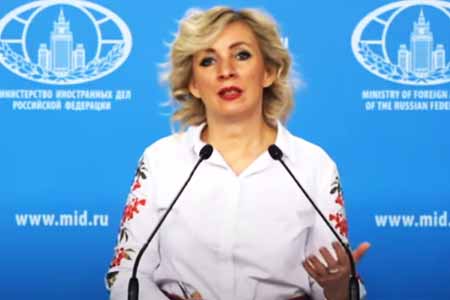 Zakharova: International observers cannot ignore `flagrant violations` in Armenian elections
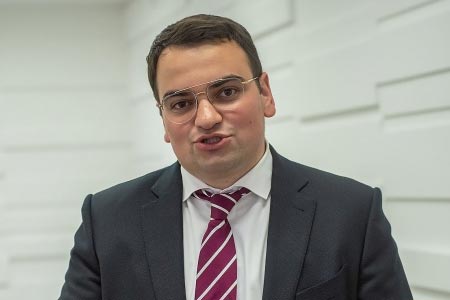 Strong Armenia to issue statement after vote count completed - Narek Karapetyan
 Russian Senator: Opposition complaints regarding election violations by ruling party remain unanswered
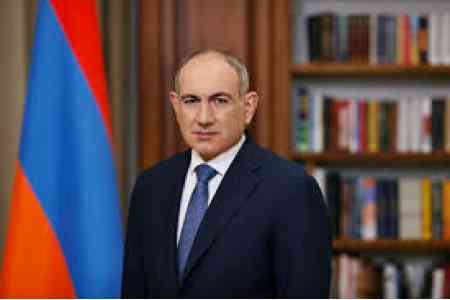 RA premier receiving congratulations on his victory in parliamentary elections
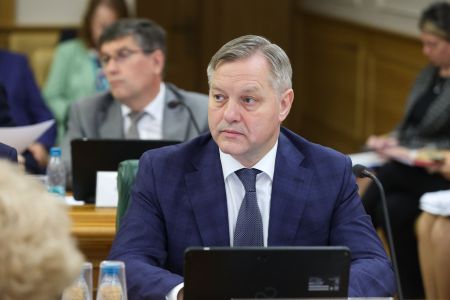 Head of IPA CIS Council Secretariat: Extremely difficult atmosphere during parliamentary elections campaign in Armenia accompanied by mass arrests
 Pashinyan`s party leads with 51.13% based on vote counts from 533 polling stations
 Voting in parliamentary elections in Armenia ends
  Strong Armenia: Administrative Court not providing judicial decisions to citizens wishing to vote in parliamentary elections