
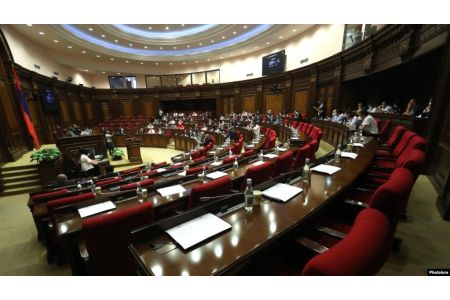
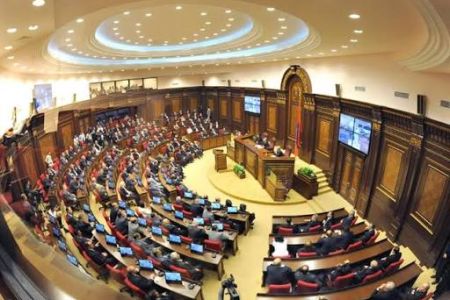
ArmInfo. Regardless of the opposition's position, the next convocation of the Armenian Parliament will continue to operate in its normal course.
Currently, under existing law, the National Assembly can only proceed to its broader agenda once it has completed the election of deputy speakers and committee chairs during its inaugural session.
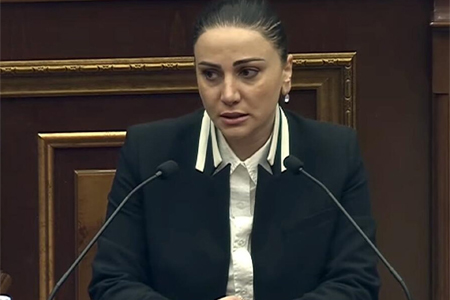
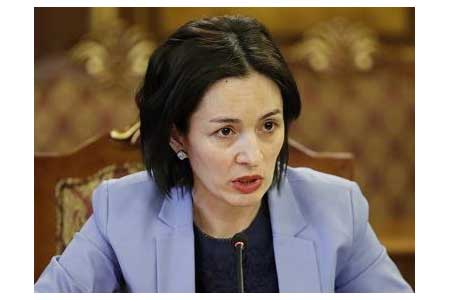
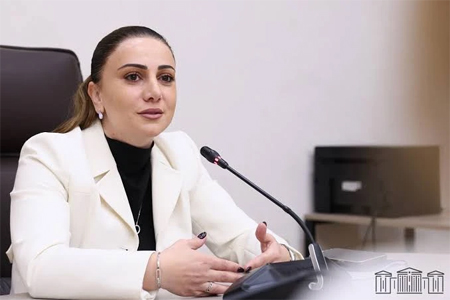
The law mandates daily sessions until these positions are filled, a regulation that risks allowing the entire legislative process to be held hostage by the conduct of a single political faction. This was stated by Arusyak Manavazyan, a deputy from the "Civil Contract" faction, as she presented a draft amendment to the Law "On the Rules of Procedure of the National Assembly" for its first reading.
According to Manavazyan, the purpose of the project is to ensure the continuous and effective operation of the National Assembly's first session, preventing cases where the process is unreasonably stalled due to a failure to nominate candidates for specific roles. Consequently, the deputies propose that if a faction entitled to nominate a candidate fails to do so within the legally mandated timeframe, the National Assembly will move on to the next item on the agenda. The faction would, however, retain its right to put forward a candidate at a later time in accordance with established legal procedures. "The draft is based on the legal position established by the Constitutional Court's decision of December 19, 2023, which states that nominating candidates is not a discretionary right of a faction, but a mandatory power derived from the Constitution. Failure to exercise this power cannot be allowed to obstruct the parliament from fulfilling its constitutional functions," the speaker stated. She added that the draft will repeal parts 5 and 12 of Article 138 of the law to bring it into compliance with the aforementioned Constitutional Court ruling.
Manavazyan concluded that the adoption of this bill will ensure the continuity of the National Assembly's first session, eliminate unreasonable procedural delays, and preserve the right of the parliamentary minority to nominate candidates in the future.






















 RA Government guarantees high salaries for CC justices, Syunik families deprived of family benefits - politician
 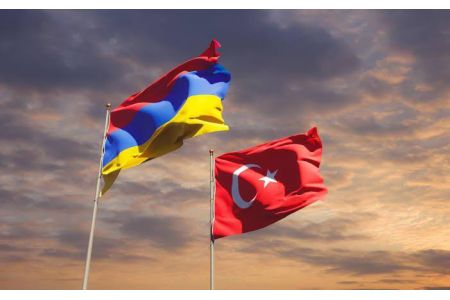 Armenian experts, leading Turkish think tanks discuss prospects for expanding cooperation
  Political Scientist: As long as the opposition remains silent, Pashinyan can use Plan B and secure a constitutional majority
 US-Iranian memorandum more beneficial for Iran from political and economic perspective - expert
  Zakharova: Armenia`s pro-EU pivot poses economic security risks to EAEU member states
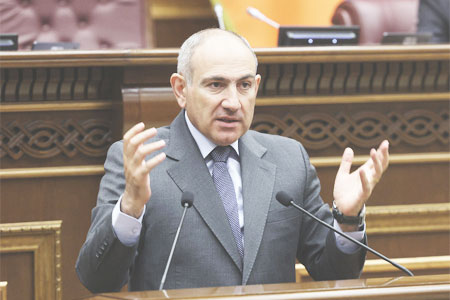 It`s time for South Caucasus countries to think of South Caucasus as single, unified region - RA premier
  Pashinyan: Armenia and Azerbaijan should leave each other alone
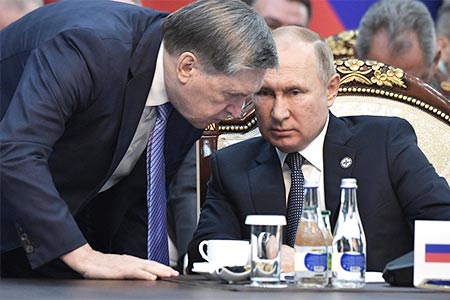 Moscow sees situation with Armenia as attempt to attack Russia-involving integration associations - Russian presidential aid
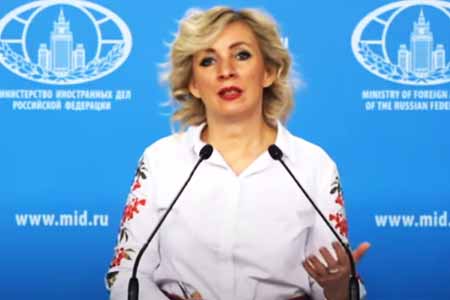 Zakharova: Armenia views relations with Russia as tool for financially securing reorientation toward EU
 The Armenian Minister of Justice and the EU Ambassador discussed visa liberalization issues for Yerevan.
 Azerbaijan`s aggressive plans against Armenia became possible in wake of Pashinyan`s decisions on Artsakh - expert
 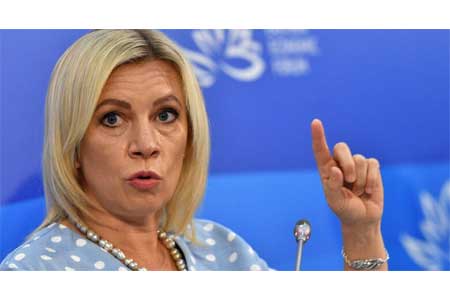 Zakharova: Russia sent a note of protest to Armenia over the act of vandalism at the "Mother Armenia" memorial in Gyumri
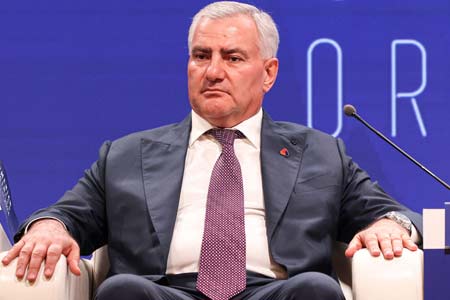 Samvel Karapetyan proposes creating a post-election opposition coalition
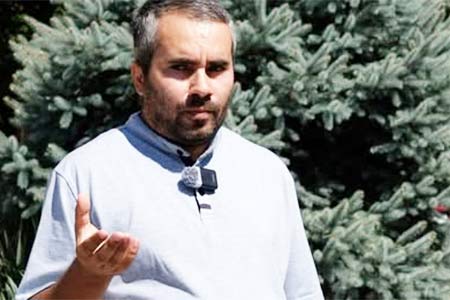 Artsakh`s Cultural Heritage Ombudsman called on Moscow to respond to destruction of WWII monuments by Azerbaijan in occupied NKR
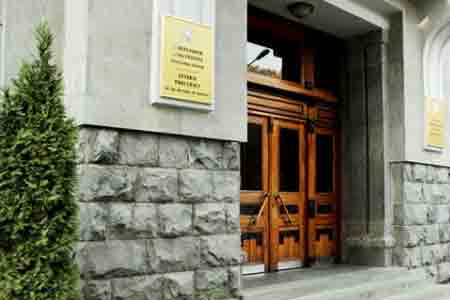 Prosecutor General`s Office petitions Central Electoral Commission for criminal prosecution of Robert Kocharyan
 Dutch Prime Minister expresses his support for Armenia`s democratic reform and economic diversification agenda
 Heritage: It`s time for Armenia`s opposition to present people with legitimate alternative to power
 RA Security Council Sec, Assistant to President of Azerbaijan hold negotiations in Dilijan
  CEC Neutralizes PAP: Three Political Forces to Enter Armenian Parliament Following Election Vote