


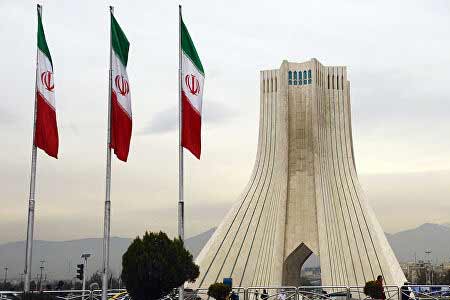
ArmInfo. The United States and Iran signed a declaration of intent to end the war. The US President signed the document on June 17, 2026, on the sidelines of the G7 summit at the Palace of Versailles in France. Iranian President Masoud Pezeshkian signed it digitally while in Tehran.
According to DW, the so-called "Islamabad Memorandum of Understanding" is intended to pave the way for further negotiations between the two countries.
The adoption of this declaration begins a 60-day period for technical negotiations. Both warring countries must resolve the main contentious issues. "It appears that both sides have the political will to continue negotiations, and this inspires optimism," Iran expert Fatemeh Aman told DW. "At the same time, the most difficult issues remain unresolved. Therefore, I would speak of the chances of success with cautious optimism, but in no way as if it were guaranteed," the analyst believes.
The Iranian nuclear program remains a key point of contention between Washington and Tehran. Furthermore, it was considered one of the main reasons for the US-Israeli war against Iran, which began on February 28, 2026. However, in the 14-point memorandum of understanding, this issue was only addressed in Section 8.
In it, Iran reiterates its intention not to produce or acquire nuclear weapons. Iranian leadership has officially reaffirmed this position in the past. At the same time, the agreement contains specific instructions on the handling of enriched uranium stockpiles.
According to the memorandum, both sides intend to resolve the status of uranium enriched to 60 percent, suitable for nuclear weapons production, through an agreed-upon mechanism. This includes, at a minimum, the downblending of these stockpiles under the supervision of the International Atomic Energy Agency (IAEA) on-site in Iran. The details are to be specified in the final agreement.
"The main challenge will likely remain finding a balance between Iran's nuclear commitments and sanctions relief," says Iran expert Fatemeh Aman.
Iran will insist on tangible economic benefits and long-term safeguards, while the US will focus on the scale of Iran's nuclear activities and verification mechanisms for compliance with the agreement.
The preliminary agreement between the US and Iran prioritizes an immediate and permanent cessation of hostilities by the signatory parties and their allies on all fronts, including Lebanon.
The declaration of intent calls for the restoration of shipping in the Strait of Hormuz as a first step. Its blockade is already having a significant negative impact on global trade and energy supplies.
The preliminary agreement stipulates that Iran will immediately take steps to restore the Strait of Hormuz for international oil shipments. In exchange, the US must lift the blockade of Iranian ports. Iran must again be able to sell its oil unimpeded.























 Political analyst: While Pashinyan pledges peace with Azerbaijan, Baku continues promoting the "Western Azerbaijan" project
 Political analyst: In light of new realities, Yerevan may propose advancing peace process with Baku without constitutional referendum
 Present-day geopolitical competition shifts from territorial control to infrastructure flows
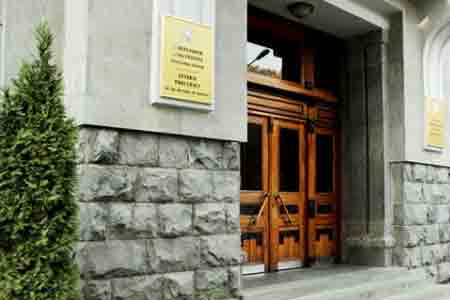 Prosecutor General`s Office petitions Central Electoral Commission for criminal prosecution of Robert Kocharyan
 Dutch Prime Minister expresses his support for Armenia`s democratic reform and economic diversification agenda
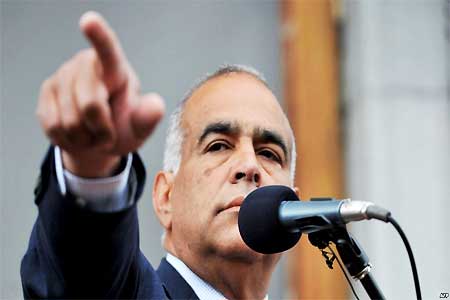 Heritage: It`s time for Armenia`s opposition to present people with legitimate alternative to power
 RA Security Council Sec, Assistant to President of Azerbaijan hold negotiations in Dilijan
 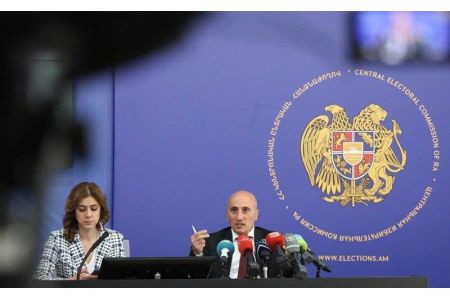 CEC Neutralizes PAP: Three Political Forces to Enter Armenian Parliament Following Election Vote
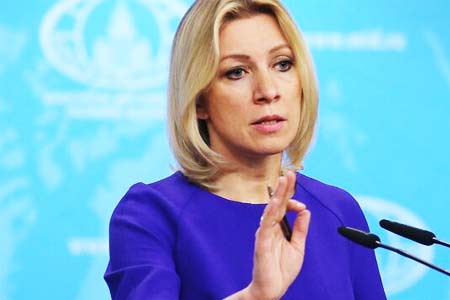 Elections in Armenia were accompanied by unprecedented pressure on opposition, RF MFA spokesperson claims
 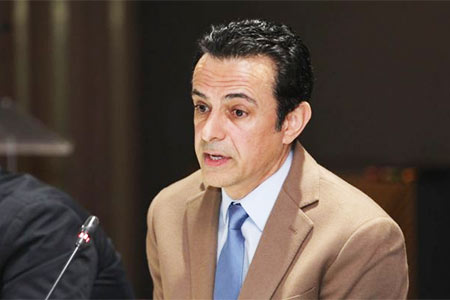 Expert: Even OSCE observers recorded numerous violations during elections in Armenia
  Moscow to await official results of Armenian elections - Peskov
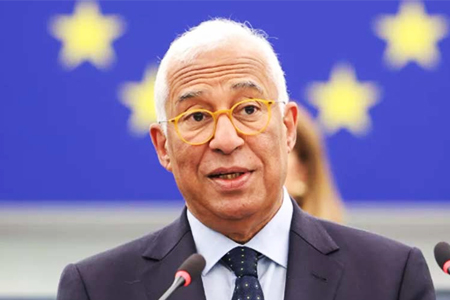 Antonio Costa: EU to deepen its partnership with Armenia, expanding cooperation in energy, trade, and digitalization
 Israeli MFA congratulates Pashinyan
 Turkish MFA comments on results of Armenian elections
  Zakharova: International observers cannot ignore `flagrant violations` in Armenian elections