



ArmInfo. The international organization Reporters Without Borders has published its 2026 Press Freedom Index, according to which Armenia has dropped 16 spots to 50th place. Last year, it ranked 34th.
The organization emphasized that despite the diversity of Armenia's media landscape, the media remains polarized. "The country faces unprecedented levels of disinformation and hate speech, fueled by domestic political tensions, border security challenges, and the country's precarious position between Russia and the European Union," the study's authors note.
It is noted that social media, used daily by two-thirds of the population, is the primary source of information. At the same time, it is noted that most broadcast and print media outlets linked to major political and commercial interests continue to experience pressure regarding their editorial policies.
"Media polarization reflects the polarization of the political scene: many media outlets are close to political leaders who emerged after 2018, while others remain loyal to former oligarchs. Only a few media outlets demonstrate independence. Two political topics are particularly sensitive: ongoing negotiations with Azerbaijan and the increasingly tense relations between Armenia and Russia. Because of these tensions, journalists are increasingly confronted with coordinated disinformation campaigns and hybrid influence operations linked to geopolitical tensions, further distorting the information space. Some political groups are targeting journalists," the Index states. Reporters Without Borders notes that despite the decriminalization of libel and the introduction of legislation guaranteeing media transparency, the legal framework regulating this sector insufficiently protects press freedom and does not meet European standards, while recent reforms have failed to address issues related to disinformation and publication bans. It also notes that access to state-held information is restricted by the government (refusal to respond, delays, etc.).
"Most media outlets are controlled by individuals close to political movements or supported by influential public figures. Only a few media outlets have implemented paid subscription models, and the advertising market remains underdeveloped, limiting the financial independence of private media. Meanwhile, state- owned media refrain from any criticism of the government," the Index continues.
Reporters Without Borders notes that journalism as a profession in Armenia is subject to criticism and particularly alarming forms of hate speech. "The political elite's anti-media rhetoric, accusing journalists of 'corruption' and serving their opponents, creates a climate of intolerance that hinders their work. They are constantly insulted, attacked, and prosecuted in defamation cases, which reinforces self-censorship.
Journalists are frequently subjected to pressure, insults, and violence from both ruling party officials and opposition politicians, as well as their supporters-whether in parliament, on the street, or on social media. Overall, violence against journalists remains unpunished," the Reporters Without Borders Index states.























 Political scientist: Real recount will deprive Pashinyan of any constitutional majority
 Expert: Even OSCE observers recorded numerous violations during elections in Armenia
  Armenia`s ex-minister of justice calls on opposition to honestly answer questions troubling Armenian citizens
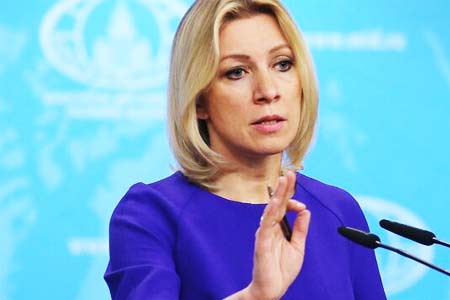 Elections in Armenia were accompanied by unprecedented pressure on opposition, RF MFA spokesperson claims
  Moscow to await official results of Armenian elections - Peskov
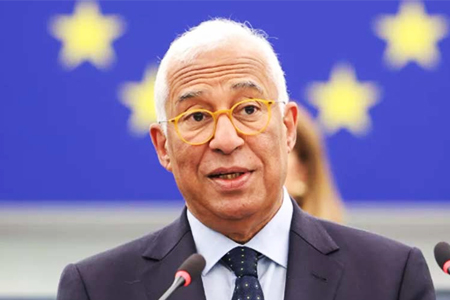 Antonio Costa: EU to deepen its partnership with Armenia, expanding cooperation in energy, trade, and digitalization
 Israeli MFA congratulates Pashinyan
 Turkish MFA comments on results of Armenian elections
 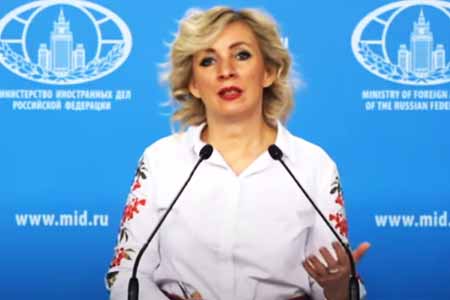 Zakharova: International observers cannot ignore `flagrant violations` in Armenian elections
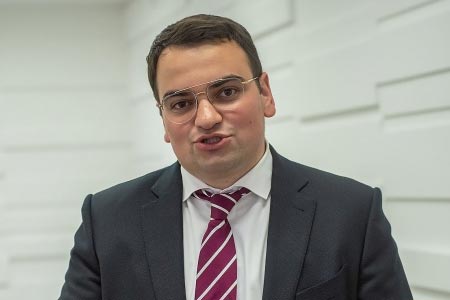 Strong Armenia to issue statement after vote count completed - Narek Karapetyan
 Russian Senator: Opposition complaints regarding election violations by ruling party remain unanswered
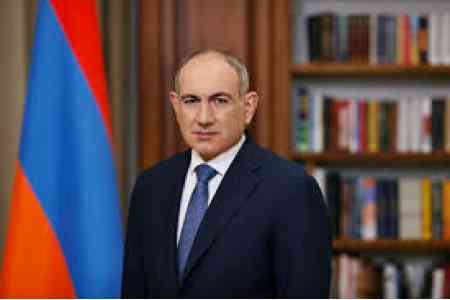 RA premier receiving congratulations on his victory in parliamentary elections
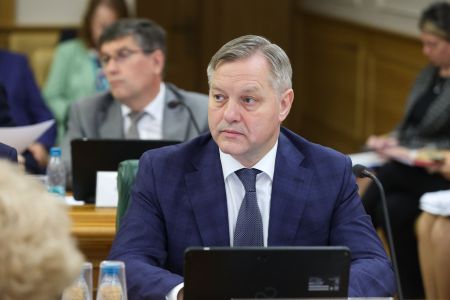 Head of IPA CIS Council Secretariat: Extremely difficult atmosphere during parliamentary elections campaign in Armenia accompanied by mass arrests
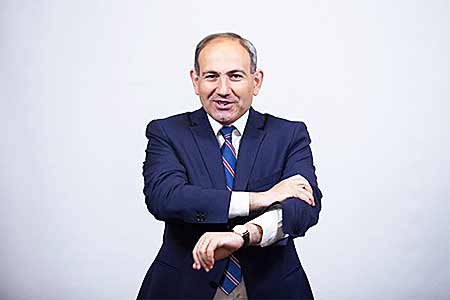 Pashinyan`s party leads with 51.13% based on vote counts from 533 polling stations
 Voting in parliamentary elections in Armenia ends
  Strong Armenia: Administrative Court not providing judicial decisions to citizens wishing to vote in parliamentary elections