

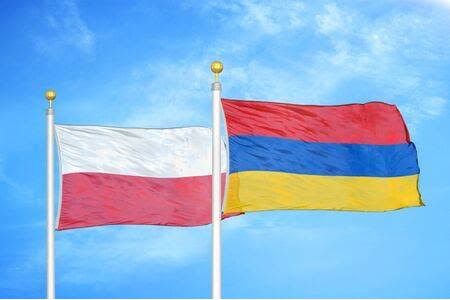
Արմինֆո.The cooperation between Kazakhstan and Armenia and its impact on strengthening regional stability was the primary topic of an expert roundtable held today in Yerevan. The event featured prominent Armenian and Kazakh political scientists, economists, and diplomats and was organized by the Armenian
Association of Political Scientists and the Embassy of the Republic of Kazakhstan in Armenia.
In addition to geopolitical developments, the experts discussed the
potential and challenges of economic cooperation between the two
countries, as well as issues regarding transport, transit
interdependence, and security.
The Kazakh side noted its support for the Armenian government's
"Crossroads of Peace" concept and TRIPP, which not only strengthen
regional transit potential but also create a solid foundation for
increasing economic integration between countries in the region,
including Armenia and Kazakhstan. It was noted that although trade
turnover between the countries has increased significantly in recent
years, reaching approximately $150 million, this is far from the
limit and substantial joint programs are needed to realize the full
spectrum of opportunities.
However, it was stated that while the opening of opportunities for
Kazakhstani grain supplies to Armenia (albeit unstable) increased
overall trade turnover, Armenian exports to Kazakhstan have
unfortunately declined. Current Armenian exports to Kazakhstan are
largely limited to cognac, jewelry, and more recently, tobacco
products and pharmaceuticals. This is a clearly insufficient product
range for both sides. Furthermore, sectors such as the financial
industry and information technology were identified as areas where
cooperation could significantly boost the competitiveness of both
nations.
Nevertheless, approximately 400 companies with Armenian capital
currently operate in Kazakhstan, while only 100 companies with Kazakh
capital are active in Armenia. According to expert estimates, the
unblocking of transport communications and the enhancement of
logistical capabilities could yield benefits totaling at least $1
billion.
Nevertheless, concerns were raised during the round table that
unblocking borders in the "corridor" format currently being proposed
does not contribute to regional stability. Instead, it carries
significant risks stemming from the evolving geopolitical situation,
which includes attempts to marginalize Iran and displace Russia from
the South Caucasus. Participants also spoke regarding the undervalued
potential of the EAEU, which is aimed at genuine economic integration
and offers undeniably high benefits.





















 Փորձագետ. Այսօր մենք խոսում ենք ոչ թե խաղաղության, այլ Հայաստանի կողմից Ադրբեջանի ցանկությունների ցանկի իրականացման գործընթացի մասին
 Փորձագետ․ Չի կարելի խոսել խաղաղության մասին, քանի դեռ Հայաստանի և Ադրբեջանի միջև համաձայնագիր չի ստորագրվել և չի վավերացվել
 Քաղաքագետ. TRIPP-ի Իրանի սահմանին մոտ լինելը կարող է դանդաղեցնել դրա իրականացումը
 Քաղաքագետ. Ո՞վ է զոհաբերում Հայաստանի Ազգային անվտանգության ծառայության հեղինակությունը և ինչո՞ւ
 Քաղաքագետ. Թեհրանը ստեղծում է անվտանգության միջավայր, որտեղ Հորմուզի նեղուցում կայուն նավագնացությունը դժվար կլինի պատկերացնել առանց իր անմիջական մասնակցության
 Գ. Ծառուկյան. Չի կարելի պարզապես ապրել խոզի պես, մտածել միայն քո սեփական շահերի մասին և անտարբեր լինել քո երկրի և ժողովրդի հոգսերի նկատմամբ
 ԱԺ փոխնախագահի պաշտոնի թեկնածուն կարծում է, որ իր տիկնոջ աշխատավարձը "Հայփոստի" տնօրենի պաշտոնում ամենացածրն է տվյալ ընկերության պատմության մեջ
 Ռուսաստանի մշտական ներկայացուցիչ. ՀԱՊԿ-ի և Հայաստանի միջև որևէ հակամարտություն չկա
 Մոսկվա․ ՆԱՏՕ-ն ձգտում է Հայաստանը "պոկել" ՀԱՊԿ դաշնակիցներից
  Քաղաքագետ․ Ռուսաստանը հանրաքվեի միջոցով մտադիր է իմանալ, թե որ "ճամբարն" է ընտրելու Հայաստանը
 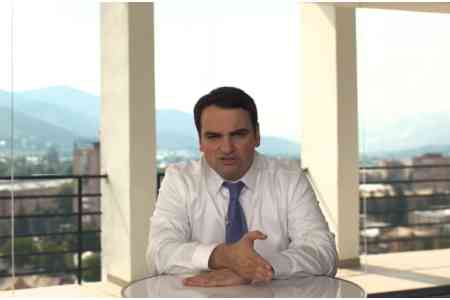 Նարեկ Կարապետյանը կհրաժարվի իր պատգամավորի աշխատավարձից՝ հօգուտ բարեգործական վճարների
 Հայ վերլուծաբան․ Զարգացնելով հարաբերությունները Եվրոպայի և ԱՄՆ-ի հետ՝ Հայաստանը չպետք է վտանգի տարածաշրջանային տերությունների հետ իր հարաբերությունները
 Հայաստանն ու Ֆրանսիան քննարկել են ռազմավարական գործընկերության հետագա զարգացումը և ԵՄ հետ համագործակցությունը
 Քաղաքագետ. Երկրի առջև ծառացած ռիսկերը հաղթահարելու համար Հայաստանը պետք է նվազեցնի ներքին լարվածության մակարդակը
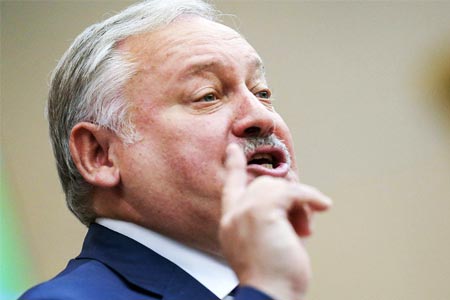 Զատուլին․ Փաշինյանը շատ էր շտապում Ռուսաստան, քանի որ, իրականում, պարտվել է ընտրություններում
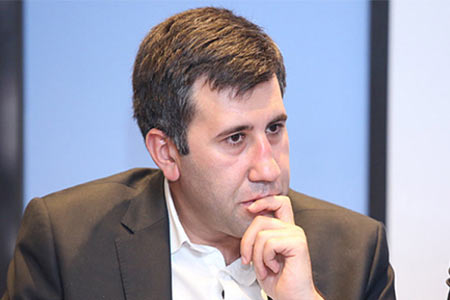 Իրավապաշտպան Ռուբեն Մելիքյանը հեռացվել է ԵՊՀ-ից
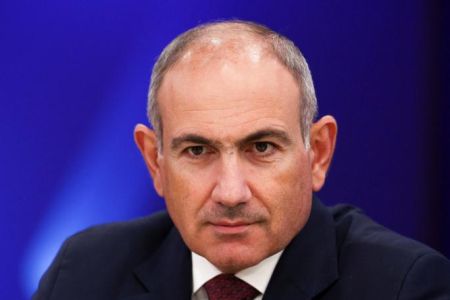 Փաշինյանին հեռացրել են "ԻՆՆՈՊՐՈՄ"-ի հյուրերի ցանկից
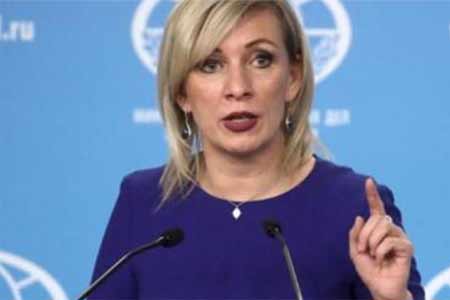 Զախարովա․ ԵՄ հետ մերձեցման Հայաստանի գիծը ռիսկեր է պարունակում ԵԱՏՄ անդամ երկրների տնտեսական անվտանգության համար
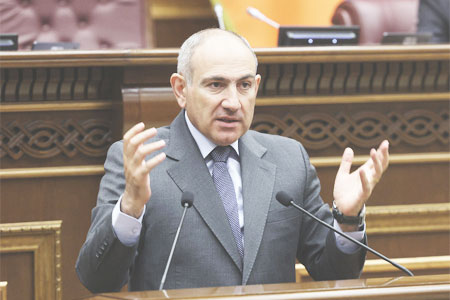 Ժամանակն է, որպեսզի հարավկովկասյան երկրները Հարավային Կովկասի մասին մտածեն որպես մեկ ընդհանուր տարածաշրջանի. Փաշինյան
 Փաշինյան․ Հայաստանն ու Ադրբեջանը պետք է հանգիստ թողնեն միմյանց